The municipality of Foča is located in the southeastern part of Bosnia and Herzegovina (B&H) and is part of the Republic of Srpska entity. With an area of 1,115 km², the Foča municipality belongs to the largest municipalities in RS and BH. Foča is 72 km from Sarajevo, 270 km in Banja Luka, 340 km in Belgrade, 163 km in Podgorica and 169 km in Dubrovnik.
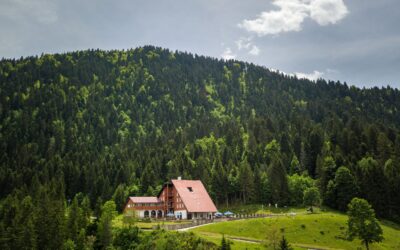
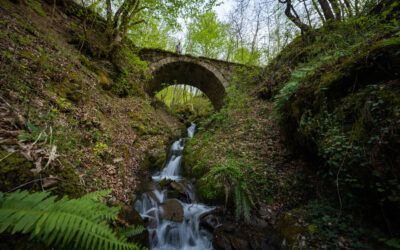
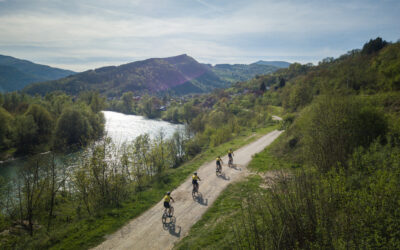
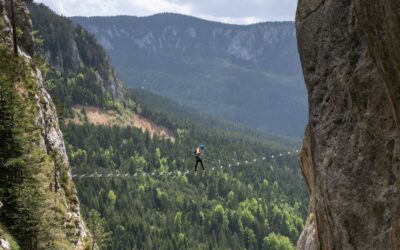
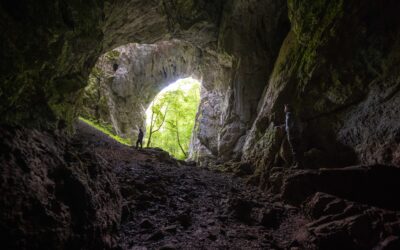
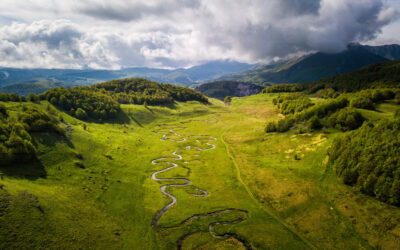
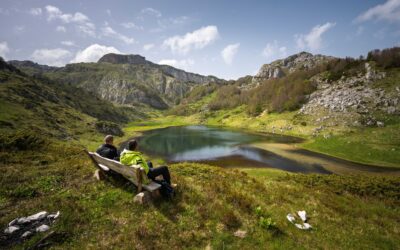
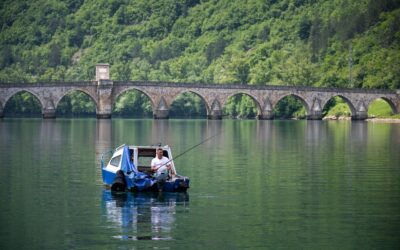
Exceptional natural resources, the largest and oldest national park in Bosnia and Herzegovina, the highest peak in B&H, the most well-preserved rainforest in Europe, the seven glacial lakes in one of the most beautiful Balkan mountains – Zelengora, the deepest canyon in Europe, the unique natural phenomenon of the Sand Pyramids, – with rich cultural and historical heritage is an ideal bait for tourists, adventurers, mountaineers, hunters, fishermen, biologists, geographers, historians and many others who recognize its value. Foča has a developed and marked network of bike routes. It i salso connected with neighbouring municipalities by the bike path that goes along the old narrow gauge railway “Ćiro”. The Drina River is formed in Foča and this municipality belongs to the Upper Drina region in which it occupies a dominant position. Foča stretches from pitiful drills to inaccessible mountain peaks. It is crossed with 17 rivers and rivulets and numerous mountain streams suitable for water sports like rafting and Kayaking. The difference between the lowest and the highest point in the area of Foča is 2000 meters.Municipality of Foča Tourist Organization of Foča Locations The Sand Pyramids, a real masterpiece of the nature and a unique geomorphologic phenomenon, are located on the ninth kilometer of the old Foča-Miljevina-Sarajevo road, in the place called Pirni Do. By erosion of the soil and under the influence of aggressive friction of frosts, summer heat, rain and strong winds, figures of interesting shapes were formed. Valley of Heroes, Tjentište – The Battle of Sutjeska in 1943 was arguably the battle that legitimised the Partisans in the eyes of the Allies, even if they suffered massive losses in comparison. The battle has taken on mythical status in the decades since, and this monument was unveiled in 1971. The Clock Tower was built in 1758 at the behest of Mehmed Pasha Kukavica. The tower was actually gifted to Foča by Dubrovnik, and it remains one of the most visible structures in Foča old town. The Museum of Old Herzegovina, the premier museum in Foča, takes a deep dive into the history of the region from beginning to the current day. The history of Foča understandably takes centerstage, but there are plenty of other periods covered throughout its many rooms. Temple of St Sava, one of the largest Orthodox church buildings in the Republika Srpska entity, stands in a park close to the centre of Foča, with a mosaic of the building stood plaintively in front of it. The Aladža Mosque, originally built in 1549 and recently rebuilt, is once again an integral part of the Foča urban area. The mosque was known as one of the most beautiful in the area and the reconstruction pays homage to that beauty. Prijevor, Tjentište – NP “Sutjeska” includes a spacious mountainous area on the tri-border of Bosnia, Herzegovina and Montenegro, surrounded by the rivers Piva, Drina, the source stream of Neretva, and the mountain massifs of Bioč, Vučevo, Maglić (the largest peak of Bosnia and Herzegovina 2386 m), Volujak, Lebršnik and Zelengora. Primeval Forest Perućica – More than 66% of the NP Sutjeska is covered with forests, including the strictly protected reservate Perućica, one of the few and the largest preserved rainforest in Europe. In the very heart of the rainforest there is the Skakavac waterfall, over 75 m high. Upper Drina bicycle routes – Foča has a developed and marked network of bike routes. It is salso connected with neighbouring municipalities by the bike path that goes along the old narrow gauge railway “Ćiro”. Brioni river island is an ideal resting place located three kilometres from the centre of Foča. There are six hundred types of vegetation on this island, and the Ćehotina river, which surrounds the island, is rich in freshwater fish: trout, bream and grayling.
Videography by Vladimir Tadić